



Our Approach
It takes approximately 20 years (or one generation) to restore a landscape.
We invest our expertise, time,and commitment in the land and its people to help co-create more resilient societies and ecosystems.


Our Areas Of Focus
Holistic landscape restoration is a long-term investment.
Focusing on strategic areas ensures we move toward the goal of co-creating places that are more resilient and productive.
We are landscape based
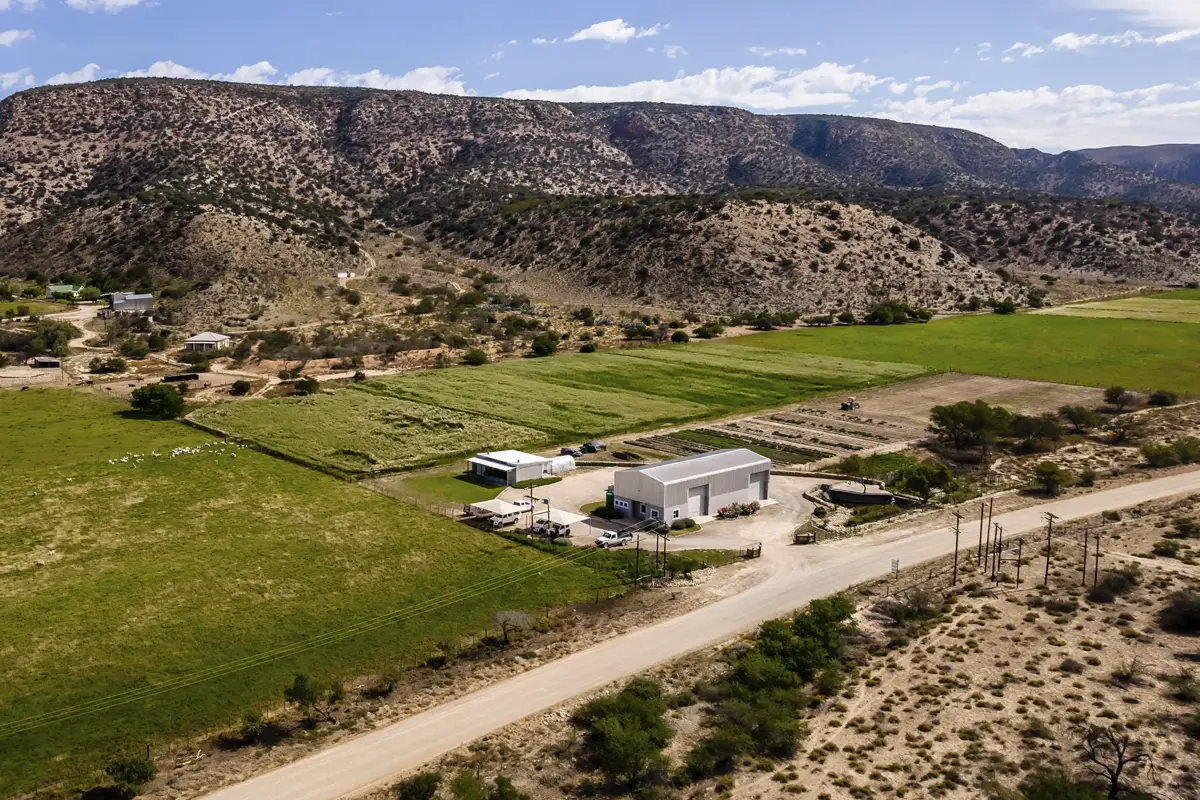
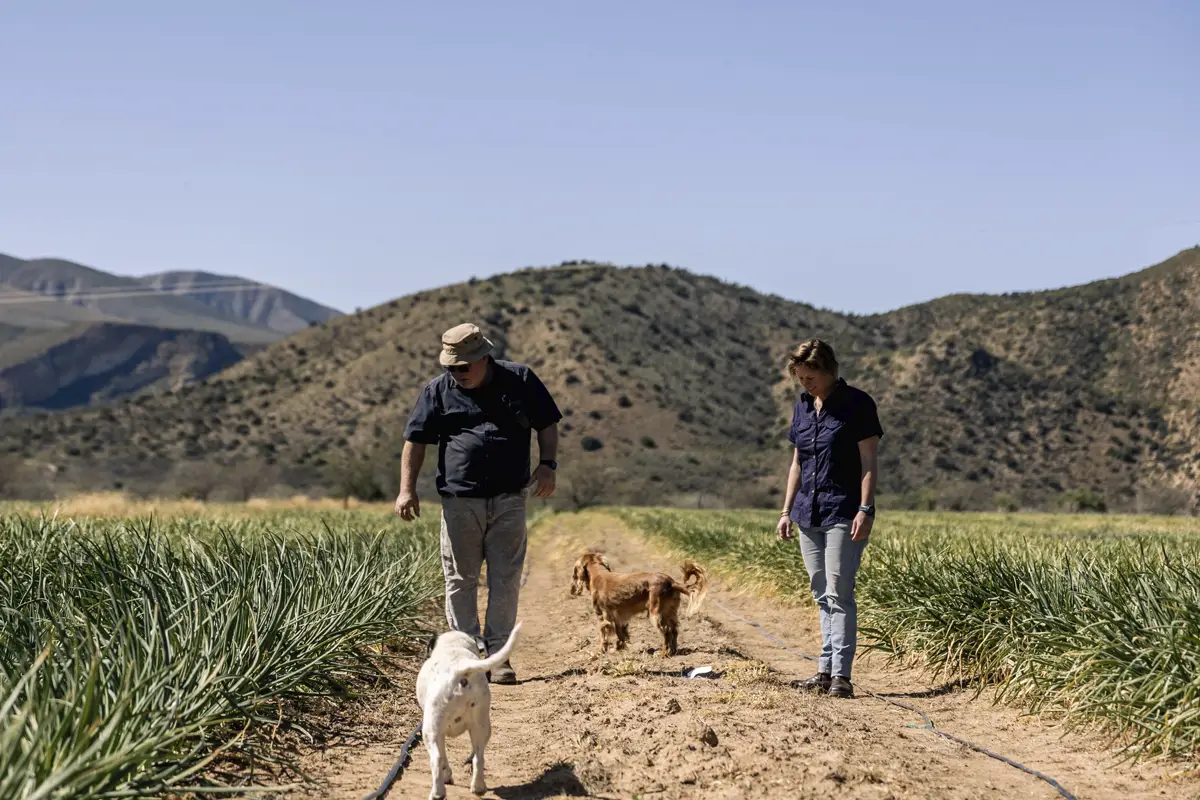
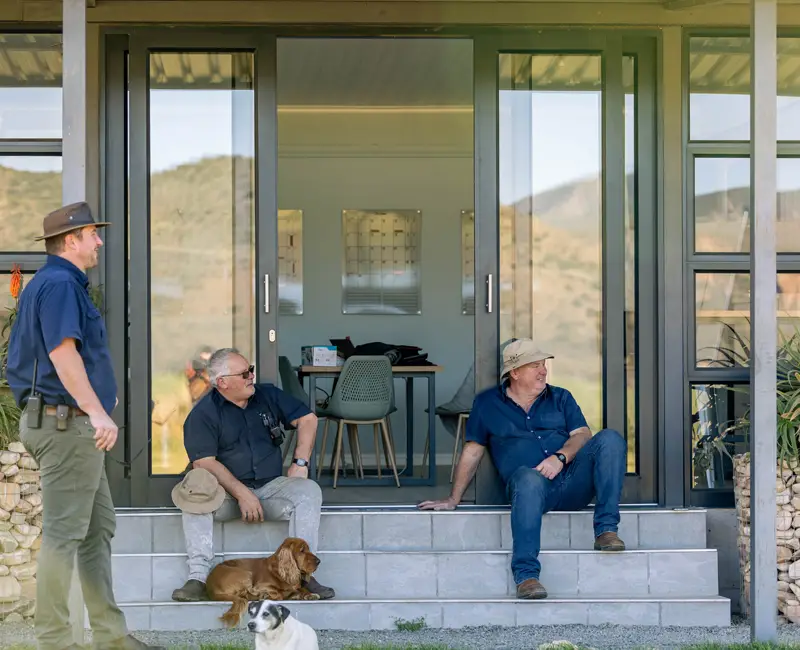
We live and work within the communities we serve, gaining a grounded perspective through direct experience on the land and the genuine connections it fosters.
This approach enables us to understand complex histories and learn from local ecological knowledge. Rather than being seen as outsiders who “fly in,” we become familiar faces at local shops and events, integrating into daily life.
READ MORE
This firsthand experience helps us co-create pragmatic and adaptable solutions, informed by local insights – like knowing that mid-summer isn’t ideal for planting Spekboom or which bridges become impassable during floods. It saves time and resources on travel, scoping, and stakeholder engagement, allowing us to build deeper understanding with local partners from the start. It also supports the local economy, from renting housing and office space to supporting shops, employing community members, and more.
Being landscape-based comes with challenges that can blur personal boundaries and create a heightened sense of responsibility for community issues. But our commitment also yields returns beyond what projects can measure, allowing us to make a meaningful and lasting difference to the environment and people’s livelihoods.
We help secure water catchments
Water is essential for ecosystems and local economies.
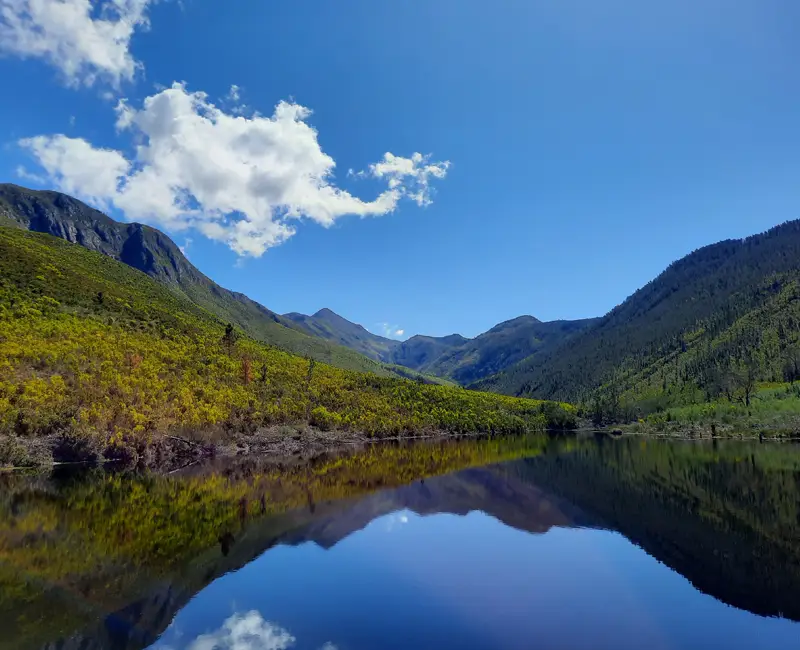
Our large-scale landscape rehabilitation supports critical catchments – the Kouga, Kromme, Baviaanskloof, and Sundays River – which supply water to Gqeberha and surrounding areas.
READ MORE
These catchments are vital for downstream water security and the communities within them, including small towns and agricultural areas that depend on consistent water access.
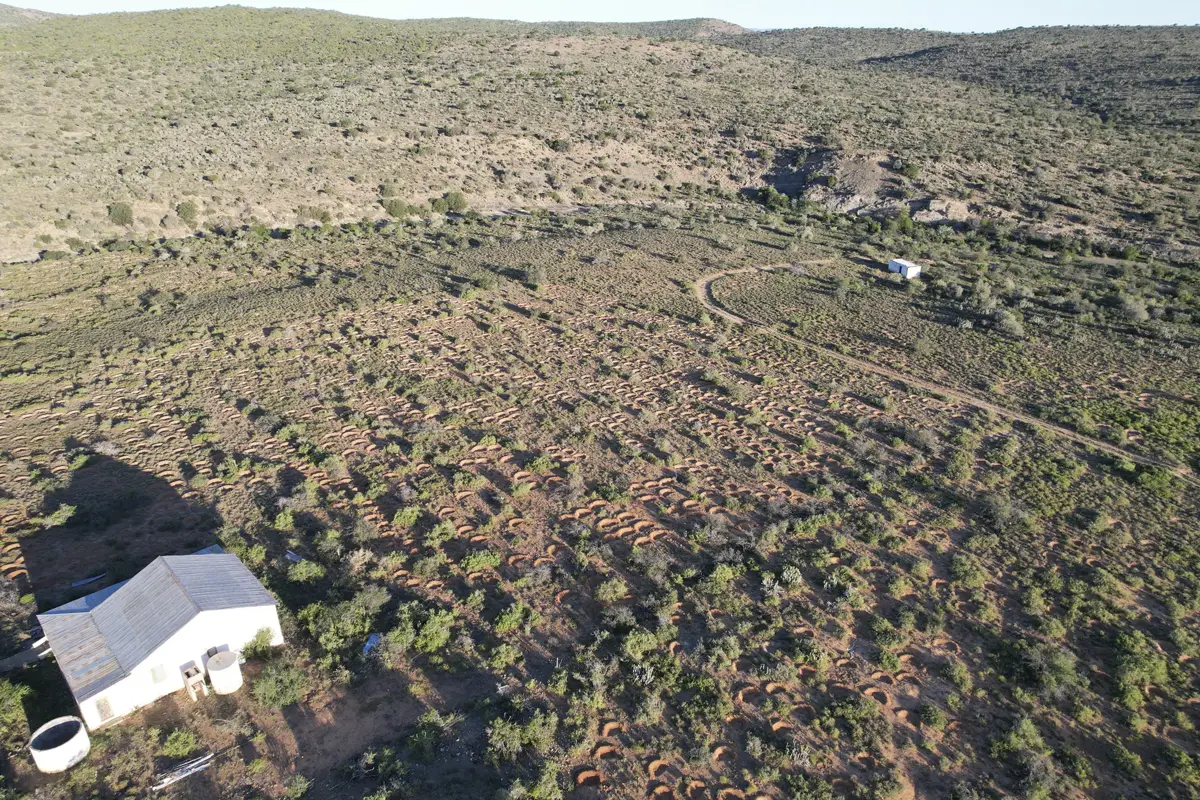
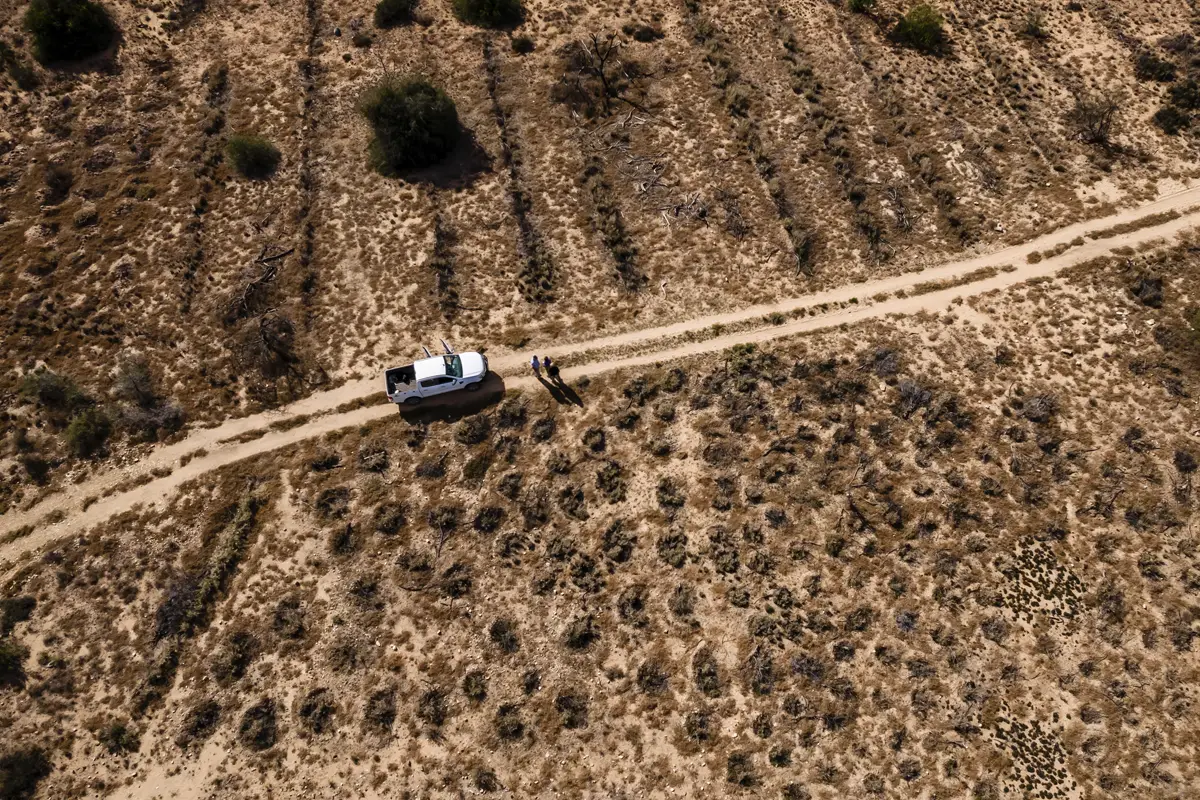
The Kouga Mountains, classified by WWF as a “Strategic Water Source Area,” face challenges such as soil erosion and invasive alien species. Living Lands and the Baviaanskloof Bewarea address these issues through interventions like tree clearing, ponding, gully stabilisation, and revegetation to reduce flooding risks, sustain water levels, and improve water quality.
We go beyond restoration by understanding the costs, technical requirements, and barriers that prevent landowners from undertaking this work themselves. This enables us to support sustainable interventions that enhance regional water security.
To measure our impact, we track hectares of ponds created, invasive trees cleared, and areas replanted, supported by scientific evidence linking these actions to improved water security. We also aim to create visuals that demonstrate how removing invasive species and managing soil erosion directly enhance regional water resilience.
We help secure water catchments
Water is essential for ecosystems and local economies.
Our large-scale landscape rehabilitation supports critical catchments – the Kouga, Kromme, Baviaanskloof, and Sundays River – which supply water to Gqeberha and surrounding areas.
READ MORE
These catchments are vital for downstream water security and the communities within them, including small towns and agricultural areas that depend on consistent water access.
The Kouga Mountains, classified by WWF as a “Strategic Water Source Area,” face challenges such as soil erosion and invasive alien species. Living Lands and the Baviaanskloof Bewarea address these issues through interventions like tree clearing, ponding, gully stabilisation, and revegetation to reduce flooding risks, sustain water levels, and improve water quality.
We go beyond restoration by understanding the costs, technical requirements, and barriers that prevent landowners from undertaking this work themselves. This enables us to support sustainable interventions that enhance regional water security.
To measure our impact, we track hectares of ponds created, invasive trees cleared, and areas replanted, supported by scientific evidence linking these actions to improved water security. We also aim to create visuals that demonstrate how removing invasive species and managing soil erosion directly enhance regional water resilience.
We advance knowledge in regenerative agriculture
Regenerative agriculture focuses on restoring and enhancing ecosystems rather than just conserving them, going beyond traditional sustainable agriculture.
While we strongly support its principles, we acknowledge that its costs and technical needs remain uncertain in local contexts outside of regions like America, Europe, and Australia.
READ MORE
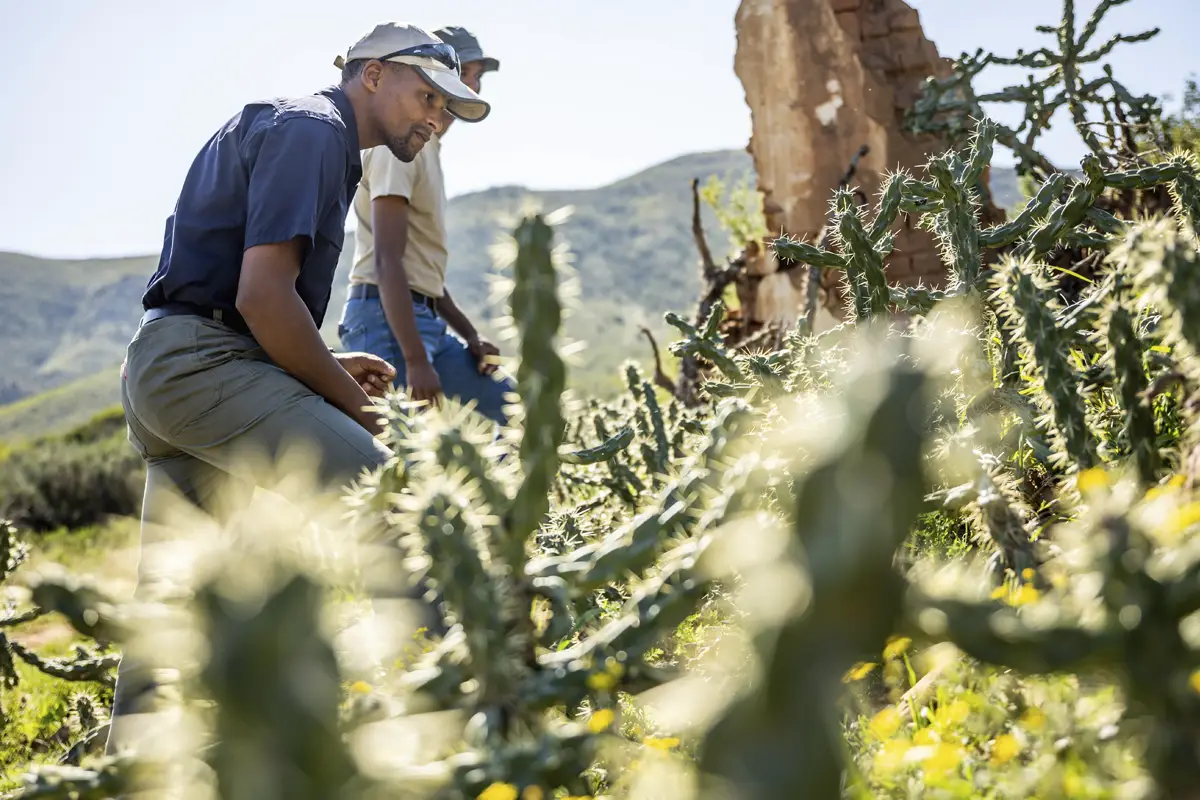
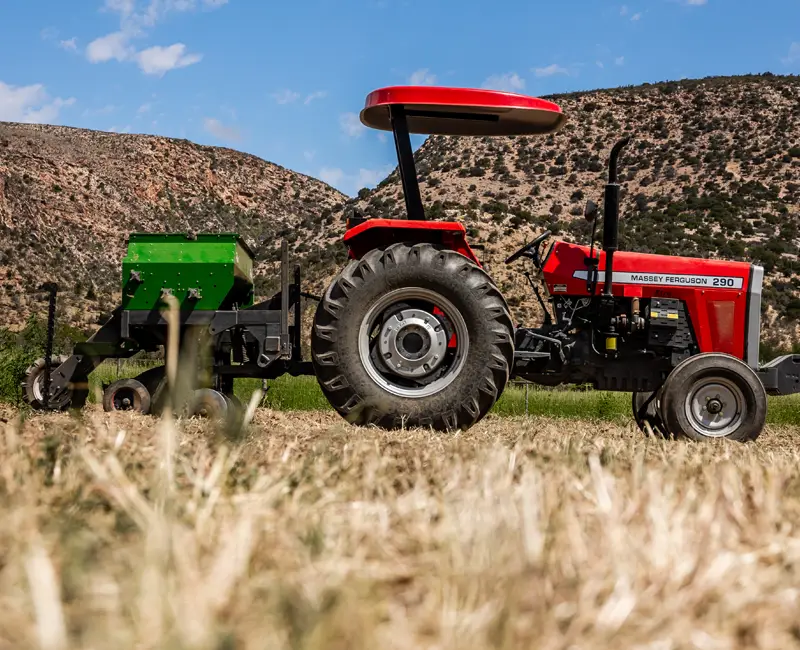
Living Lands collaborates with farmers at different stages of the regenerative agriculture journey to explore how these practices can succeed locally and align with commodity markets. Our initiatives include cattle grazing trials to improve soil health and ecosystem resilience, as well as supporting Responsible Wool and Mohair Standards (RMS and RWS). Practical efforts by the Baviaanskloof Bewarea, such as invasive cactus removal and soil erosion mitigation, directly contribute to regenerative agriculture goals, particularly for livestock productivity. For arable farming, we focus on testing and piloting methods collaboratively, as broad-scale implementation remains premature due to many unknowns requiring careful exploration.
Measuring progress is challenging, as regenerative agriculture spans a broad continuum. Metrics such as participating farmers or hectares under management fluctuate with pressures farmers face. Our emphasis on building knowledge makes capturing qualitative insights essential to developing practical, locally relevant approaches.
We support rural
economic development
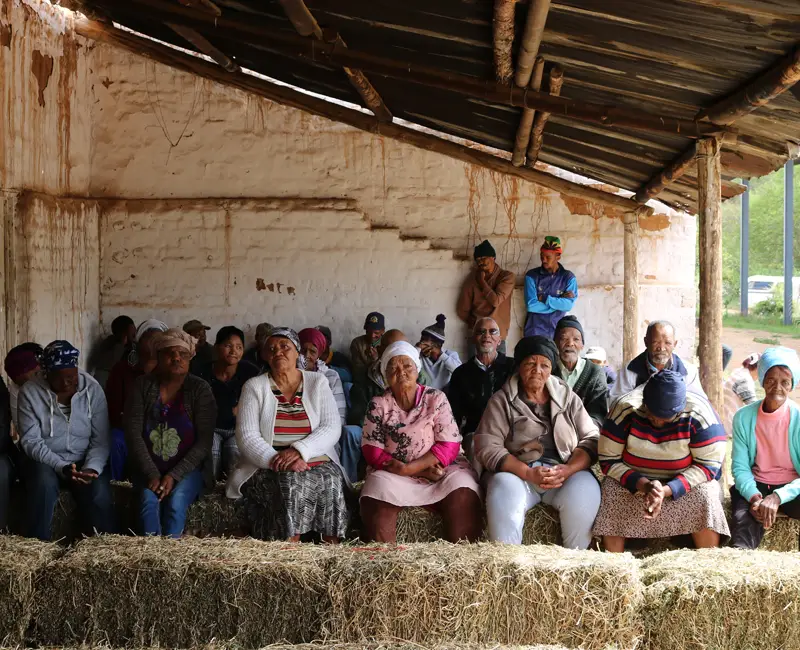
Living Lands supports rural economic development, recognising that financial pressures on farmers often drive land degradation through short-term practices. We also understand the significant costs of ecological restoration and regenerative agriculture and the complex links between land degradation and social inequality. Strengthening rural economic resilience is therefore key to sustainable land management.
READ MORE
In the Langkloof, we support the honeybush industry, collaborating with harvesters, farmers, and industry bodies like the South African Honeybush Tea Association (SAHTA). We advocate for sustainable natural resource use and wildlife-based economic models, such as kudu management in the Baviaanskloof, along with broader wildlife-centred business ideas.
In the Baviaanskloof, we assist a communally-owned farm and create local jobs, with the Baviaanskloof Bewarea being the region’s largest employer. Through our restoration projects, we indirectly support farmers by improving long-term agricultural productivity.
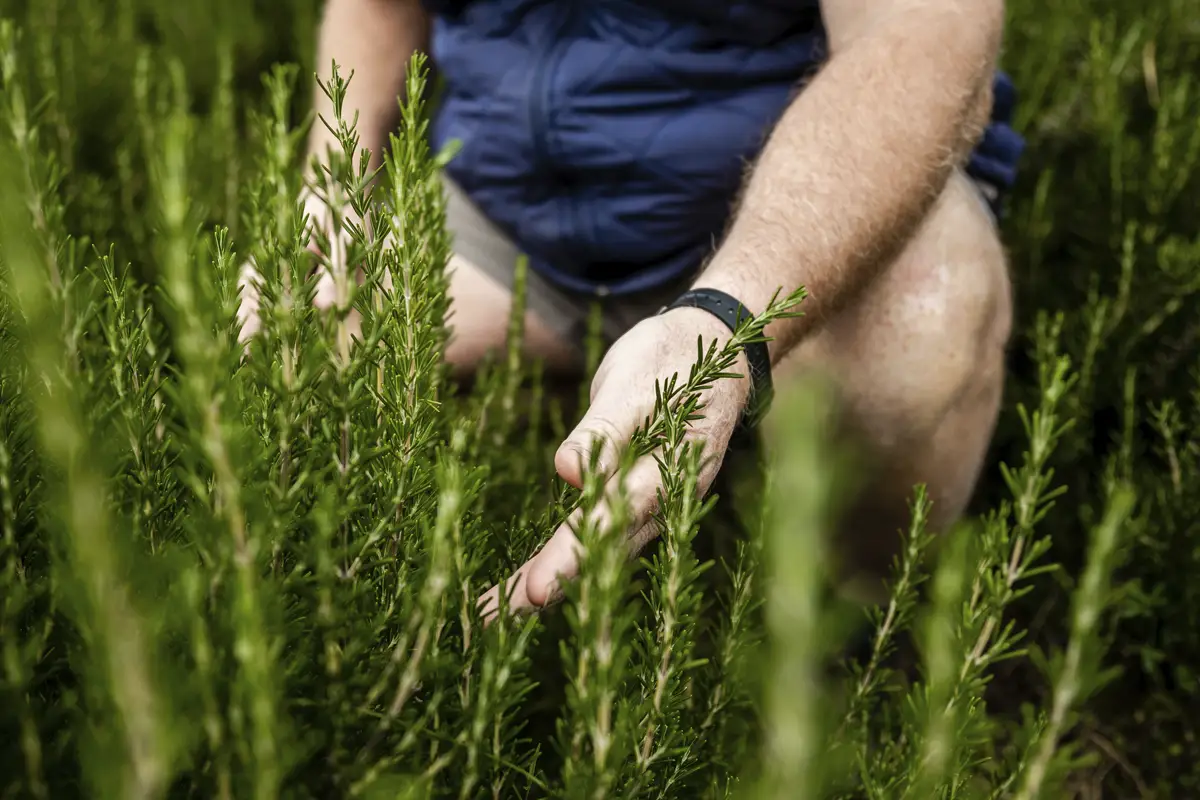
Experimental ventures, such as the Baviaanskloof essential oils company, provide valuable learning opportunities despite challenges. Recently, we launched a business incubator offering local entrepreneurs low-interest loans and investment opportunities, with plans to expand after a successful trial year. While our involvement in tourism remains limited, we are exploring future opportunities in this sector.
We support rural
economic development
Living Lands supports rural economic development, recognising that financial pressures on farmers often drive land degradation through short-term practices. We also understand the significant costs of ecological restoration and regenerative agriculture and the complex links between land degradation and social inequality. Strengthening rural economic resilience is therefore key to sustainable land management.
READ MORE
In the Langkloof, we support the honeybush industry, collaborating with harvesters, farmers, and industry bodies like the South African Honeybush Tea Association (SAHTA). We advocate for sustainable natural resource use and wildlife-based economic models, such as kudu management in the Baviaanskloof, along with broader wildlife-centred business ideas.
In the Baviaanskloof, we assist a communally-owned farm and create local jobs, with the Baviaanskloof Bewarea being the region’s largest employer. Through our restoration projects, we indirectly support farmers by improving long-term agricultural productivity.
Experimental ventures, such as the Baviaanskloof essential oils company, provide valuable learning opportunities despite challenges. Recently, we launched a business incubator offering local entrepreneurs low-interest loans and investment opportunities, with plans to expand after a successful trial year. While our involvement in tourism remains limited, we are exploring future opportunities in this sector.
We are situated in Global Biodiversity Hotspots
Although protecting biodiversity is not Living Lands’ primary objective, the Sarah Baartman District is uniquely situated at the intersection of two Global Biodiversity Hotspots, encompassing diverse biomes.
READ MORE
This makes the region intrinsically valuable and offers opportunities for investment and tourism.
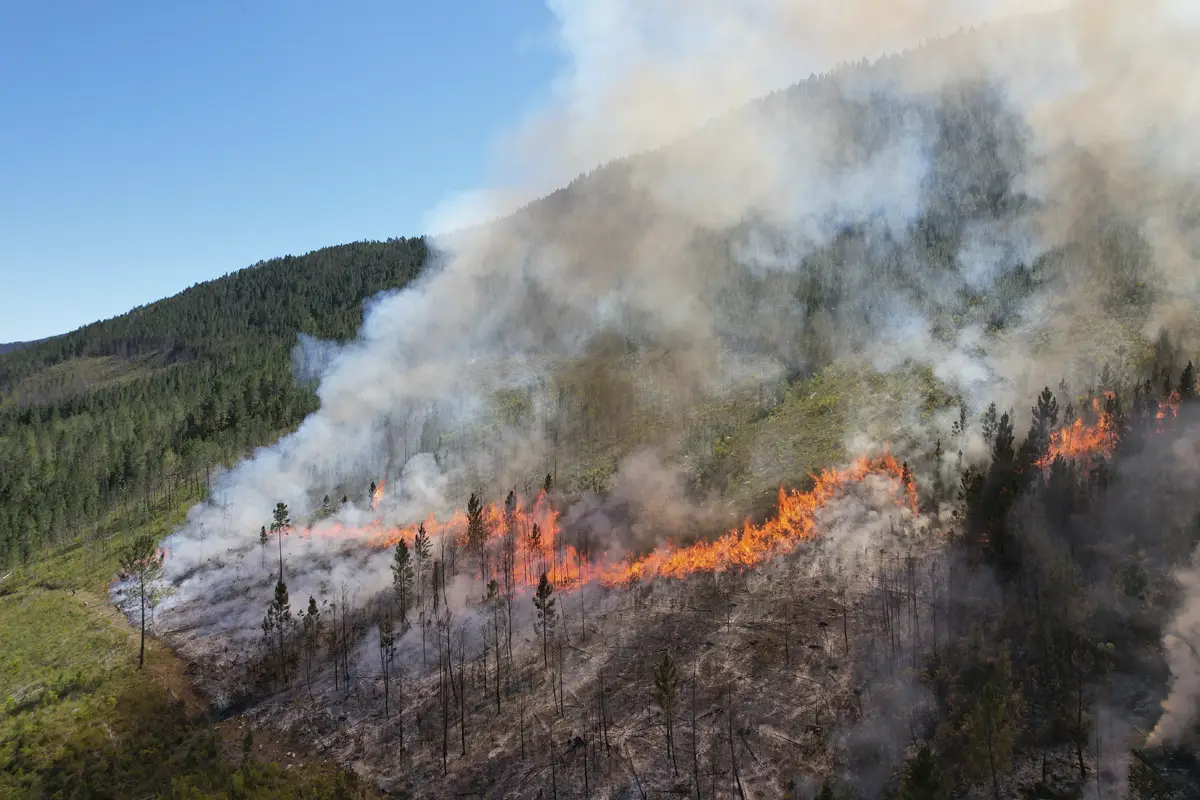
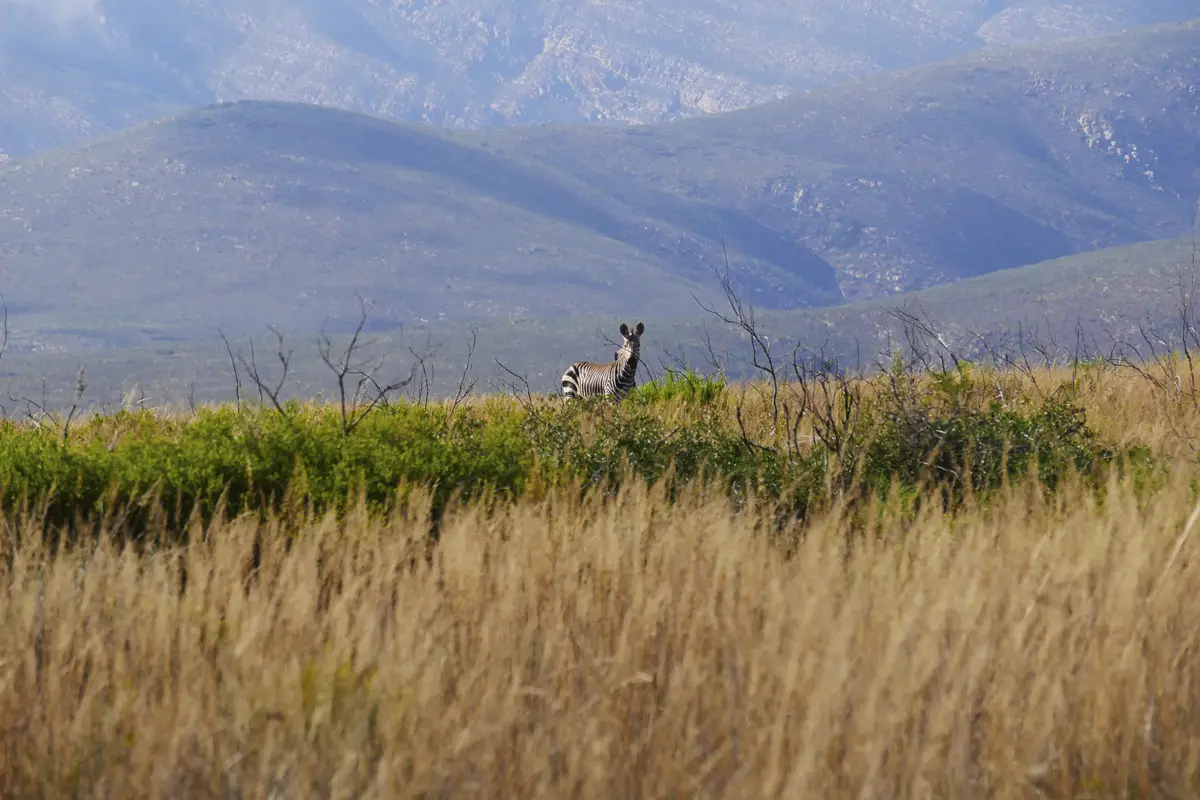
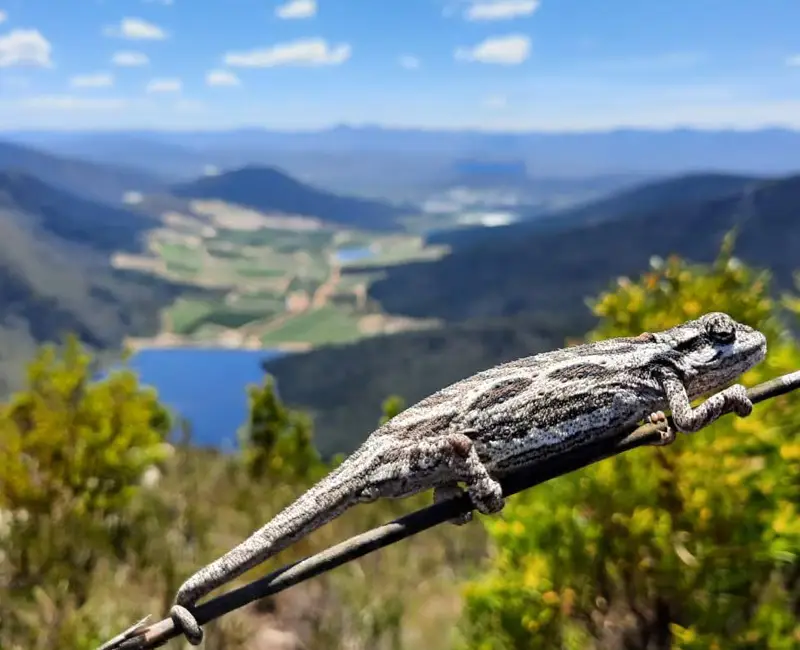
Our work indirectly supports biodiversity by clearing invasive species that displace native plants, mitigating soil erosion to preserve vegetation, sustainably managing honeybush (an indigenous plant), implementing fire management in Fynbos ecosystems, and aiding wildlife reintroduction in the Baviaanskloof, such as the Cape Mountain Zebra.
These efforts collectively enhance ecosystem health and resilience. While we don’t directly measure biodiversity outcomes, the region’s rich flora and fauna provide compelling storytelling opportunities.
Highlighted Projects
At any given time, we have many different projects across the landscapes. Being landscape-based means we can quickly identify new challenges and create adaptable plans to address very real local issues affecting the community and landscape.
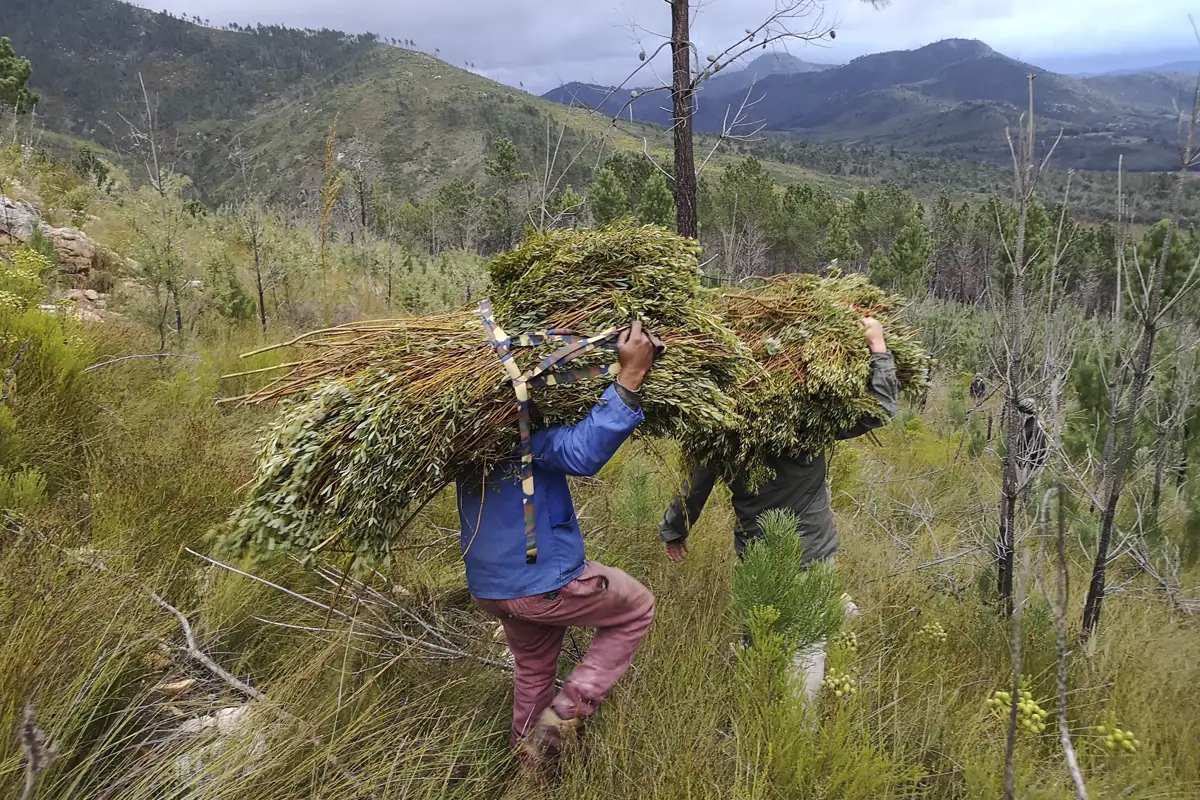
Through a range of interventions such as sustainable harvest planning, restoration of wild plant populations, working with honeybush harvesters, and developing policy tools, Living Lands has been actively involved in the sustainable management of honeybush for eight years.